
History of the Internet
No, we’re not going to talk about Al Gore. I know, I know. I’m just as disappointed as you are. However, don’t take lightly how awesome the creation of the internet is.
It all started in the Cold War. That’s right, the 1950’s. Poodle skirts, Elvis, and the good ole Red Scare (Everyone loves McCarthyism. If you don’t, you’re a communist.) The United States Government needed a network that would not be easily interfered with should we begin a nuclear winter with Russia. At the same time, the Department of Defense was looking for a way for computers to communicate with each other. We will call this the conception of the internet.

Later, the U.S. was pouring out its wallet for ARPANET. You mean you don’t know what ARPANET means? Well, it mean Advanced Research Projects Agency Network. Nice concise name. This network was linked in four different places. Those locations were UCLA, Stanford Research Institute, University of California at Santa Barbara, and University of Utah in Salt Lake City.
‘sIn 1969, the first communication was successful! It was three letters (L-O-G) and then it crashed, but hey, it was a start! The world first, and probably shortest, tweet! From here, the rest is history (Ctrl H).
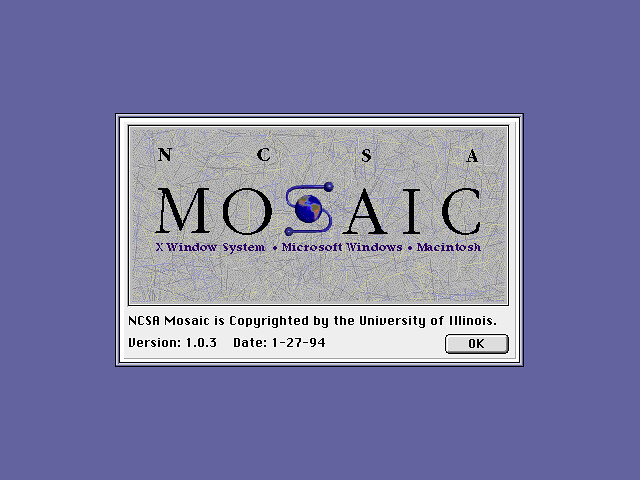
Let’s fast forward a little to the 90s. 1991, to be exact. Tim Berners-Lee decided he wanted to share his research with everyone who cared to look at it. He partnered with Robert Cailliau and built the basic framework of the web with access to text documents. Later, the Mosaic browser was introduced in 1993 and brought the ability to have images as well. Now we have our funny cat memes.
Security. SECURITY!!
Now, we’ve had our fun learning where the internet came from. It was probably not the Nyan Cat Epic Journey you thought it would be, but it’s still pretty awesome.It’s important to know, even as developed as our internet is, there is still lots of threats. Ransomware, malware, Trojan viruses, spyware, adware, keylogging, phishing, and all sorts of fun stuff is waiting for you. However, there are some ways some of these issues can be resolved.
First step is common sense. Oh, you’ve won a million dollars for being the billionth site visitor? Unlikely. You click that and you’ll be buying a new computer. Don’t click on suspicious popup ups or ads. In fact, it’s good practice to only visit sites you trust. Make sure the site is secure. Check the URL, if it has HTTPS, you’re secure. A lot of modern browsers also have indicators in the address bar that are easier to spot. Also, that Nigerian prince is still waiting for your wire transfer.

Invest in solid virus protection. It’s worth every penny. Even trusted sites can sometimes harbor infected links. Additionally, you’ll have the miscreants who attempt social engineering to make you comfortable and take your information. Get your virus protection and stay alert.
Hello? Anyone out there?
Communication on the web is an awe inspiring and diverse thing. There are so many different ways, and so many people, we can communicate with! Lets break these down and discuss them.
Social Networking

Instagram, Twitter, Facebook, Tumblr, Snapchat, and for the ‘old school folk’, MySpace. These are just a few of the larger social networking platforms. They all vary yet have the same endgame: communication. Whether its pictures, microblogs, status updates, disappearing pictures, or even sharing audio, social networking keeps us all connected in a major way. Not only do they document our lives, they consume it.

Old reliable. One of the first ways of communicating, yet still one of the most used. The days of paper are fading. You can write the equivalent of a letter and have it delivered to anyone in the world in a matter of seconds. Then that information in there waiting for the other party. Whether they respond immediately, later, or sometimes never! We can also keep these filed away neatly and it take no physical space! What a time to be alive.
Wikis and Blogs

Do you wish you had the opportunity to work collaboratively on a document about the anteater? Or maybe you could write a big mess above technology? Well, Wikis and blogs are your thing then! Wikis are a collaborative effort from multiple users on the same document. A good instance of this is Wikipedia. If you don’t know what Wikipedia is, you’ve never had a research paper returned to you then. As for blogs, I hate to tell you this, but you’re in one. A blog, or web log, is just a place where you can write. It can be about something you enjoy or a celebrity you are obsessed with. Celebrities like the would-be inventor of the internet, Al Gore.
Podcasts and Webcasts

Enjoy books but hate reading? Like seeing Elon Musk hang out with Joe Rogan and loose so many millions of dollars and his job at Tesla? Podcasts and Webcasts are where it’s at then. Podcasts can be anything from audio-books to lectures, but they are all sent over the internet. Webcasts are similar; however, they are more real-time while podcasts are prerecorded. Either way, they are a good way to waste an absurd amount of time! Maybe even learn something.
Streaming Media

Okay so this is a big one as well. Soundcloud and YouTube are good examples here. Soundcloud is used a lot for amateur musicians trying to get their music out there. They record, upload, and share. Other then can stream it and enjoy. YouTube is similar; however, it mainly focuses on video rather than audio alone. I’m sure just about anyone you know has a favorite YouTube video. Mine is the piano cat.
 Phat Daddy Tech
